
Understanding Your Options. Protecting Your Investment. Planning With Confidence.
When an electrical issue develops at an RV park, fixing the immediate problem is only part of the challenge.
Owners and operators also need to consider what the work will cost, whether it will provide a lasting solution, and how repairs or upgrades could affect guests and day-to-day operations.
For properties managing aging infrastructure or competing capital priorities, those decisions aren’t always straightforward.
Should an individual component be repaired? Is it time to replace deteriorating equipment? Or does the issue point toward a larger electrical infrastructure concern?
Repair, Replace, or Upgrade: Understanding Your Options
Not every electrical problem calls for the same response.
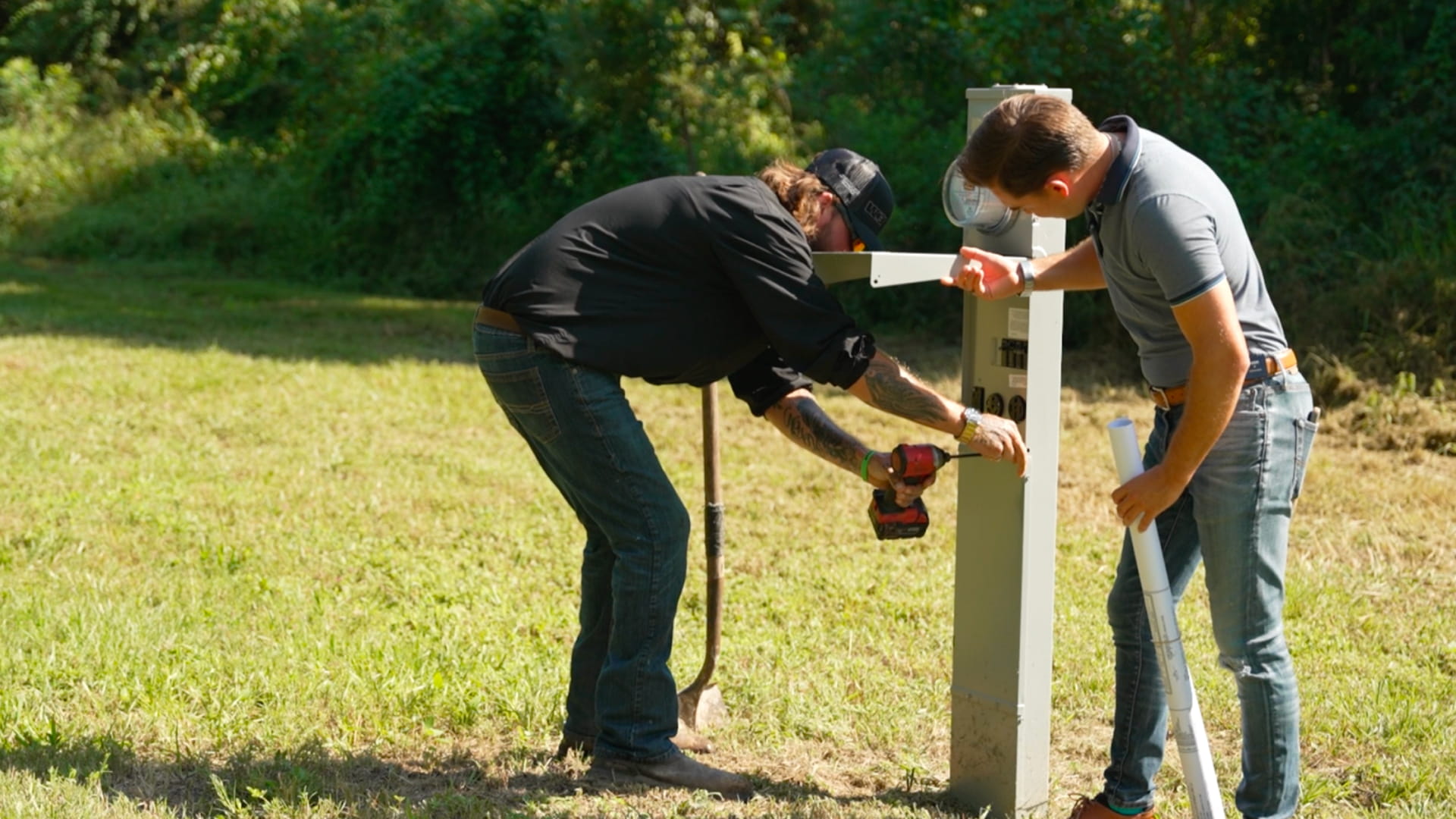
Tristan Ciceri, Vice President of Electrical Works, draws on years of firsthand experience working with RV parks and MH communities. His advice is to consider the condition of the surrounding equipment before deciding how to address an individual failure.
“If you have a bad breaker in a pedestal that is otherwise perfect, replace the breaker.”
But when that same pedestal is showing significant rust, heat damage, missing components or has signs of potential water intrusion, the decision changes. As Tristan puts it, “don’t waste the money” on a repair that may not make sense given the condition of the surrounding equipment.
This illustrates three different approaches:
- Repair: A targeted repair may be appropriate when an individual component has failed and the surrounding equipment remains in suitable condition.
- Replace: Replacing equipment may make more sense long term when the equipment shows substantial deterioration, is at the end of its reasonable life, or has recurring component failures.
- Upgrade: Wider infrastructure improvements may be necessary when the underlying problem involves wiring, electrical distribution, or service capacity.
Equipment showing signs of overheating, significant damage, or potential water intrusion should be evaluated by a qualified electrical professional before further use.
Will the Proposed Work Actually Solve the Problem?
One of the biggest concerns for any property owner is investing in work that doesn’t resolve the underlying issue.
Repeated breaker trips provide a useful example.
As Tristan explains, people often assume a tripping breaker simply needs replacing. However, circuit breakers are protective devices, and repeated trips can indicate problems with connected equipment, electrical demand, wiring, or the service supporting the site. Identifying the cause is essential before deciding on the appropriate work.
For owners and operators, the important question is:
What is causing the issue, and how will the recommended work address it?
A professional electrical assessment can help identify the underlying cause, evaluate the condition of the existing infrastructure, and determine whether a targeted repair, equipment replacement, or wider upgrade is appropriate.
Clear findings and recommendations also help owners understand what they’re investing in and why.
Understanding Costs and Operational Disruption
The cost of electrical work depends on factors such as existing infrastructure conditions, the scope of work, site conditions, and whether wiring or distribution improvements are required.
For owners, the lowest upfront cost isn’t necessarily the best long-term value. A less expensive repair may be appropriate for equipment in good condition, while continued repairs to substantially deteriorated equipment could result in additional costs over time.
There is also the operational side to consider.
Electrical repairs, pedestal replacements, and infrastructure upgrades can affect occupied sites, electrical service availability, and normal park operations. The level of disruption will depend on the work required and the property’s layout and infrastructure.
Before approving a project, owners should have a clear understanding of:
- The scope and cost: What work is proposed, what factors affect the price, and what is included?
- The operational impact: Which areas or sites could be affected, and will electrical shutdowns be required?
- The timing: Can work be coordinated around occupancy patterns or operational requirements where conditions allow?
Discussing these considerations early helps owners plan for the work, communicate with their teams and guests where necessary, and reduce avoidable surprises.
Planning Improvements When Budgets Are Limited
Not every property has the capital available to complete a major electrical infrastructure project all at once.
Where system conditions and applicable requirements allow, a phased approach may provide a practical way to plan improvements over time.
For example, a park with aging pedestals across multiple areas may be able to prioritize replacements according to equipment condition, operational needs, and available funding.
However, some infrastructure improvements are interdependent. Replacing individual pedestals will not resolve a problem involving the wiring or distribution system supplying them.
That is why owners should understand:
- Which issues require immediate attention because of safety or reliability concerns.
- Which improvements may reasonably be scheduled for a later phase.
- Whether one part of the work needs to be completed before another can deliver the intended benefit.
Phasing should never mean postponing necessary safety measures or leaving known hazardous conditions unresolved.
When improvements can be prioritized appropriately, owners have a clearer basis for planning capital expenditure while addressing the property’s most important needs.
Helping Owners Make Informed Electrical Infrastructure Decisions
Electrical Works specializes in electrical infrastructure for RV parks and MH (manufactured home) communities.
Our experience includes everyday service and pedestal repairs, property-wide assessments, rewires, infrastructure upgrades, and new developments.
For owners and operators, having a knowledgeable electrical partner you can trust means more than receiving a recommendation for a particular repair or project. It means understanding the condition of the infrastructure, the options available, and the implications for the property’s operations and longer-term plans.
The right solution starts with understanding the problem and the priorities of the property.
If you’re weighing electrical repairs, pedestal replacements, or wider infrastructure improvements, Electrical Works can help you assess your options and plan the next steps.
Connect With Our Team